by Lorenz Esposito | May 8, 2025 | SEO
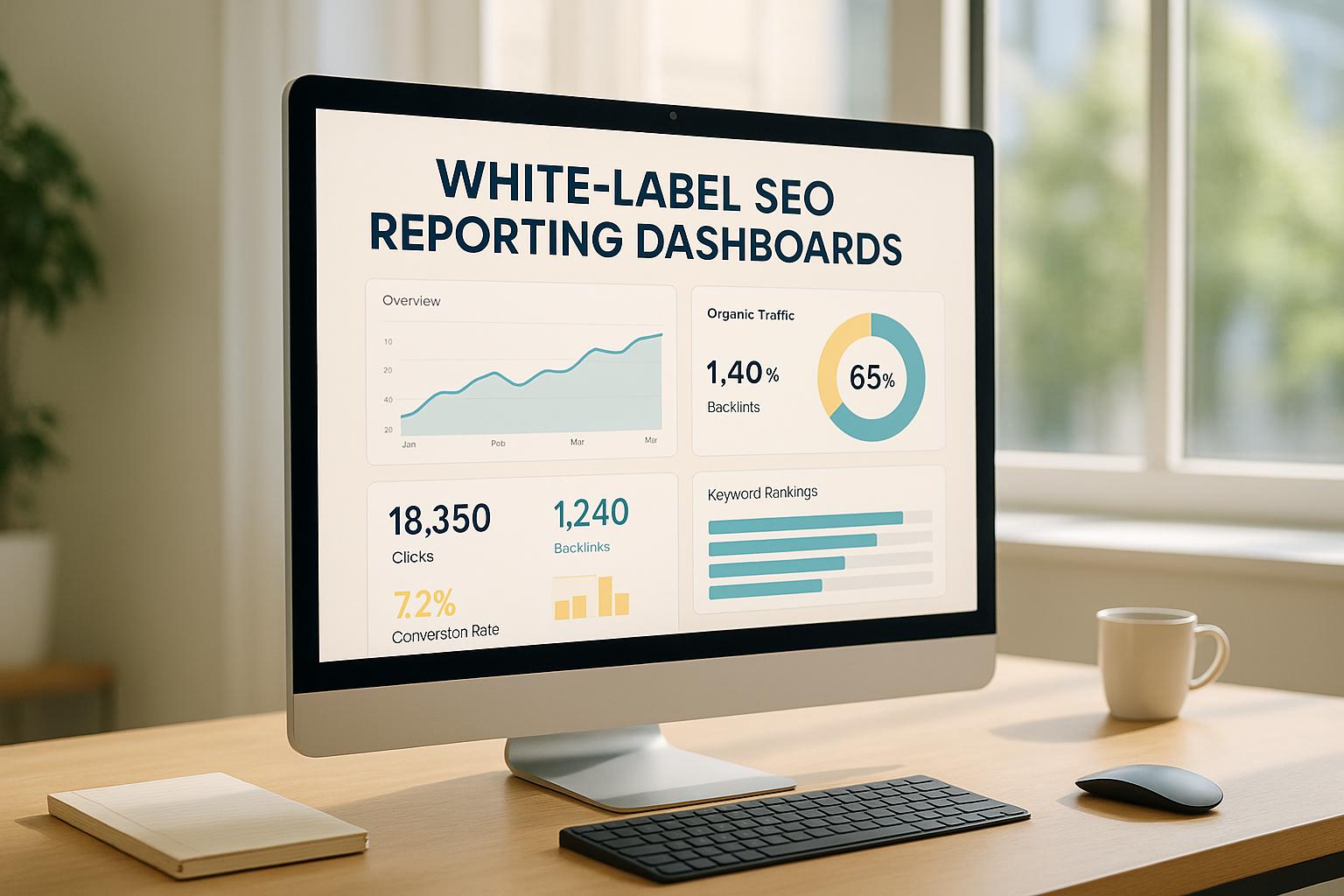
White-label SEO reporting dashboards help agencies provide branded, real-time SEO insights in a simple and professional way. These dashboards combine key metrics like search rankings, traffic, and conversions into one easy-to-use platform. Here’s why they...
by Lorenz Esposito | May 8, 2025 | SEO
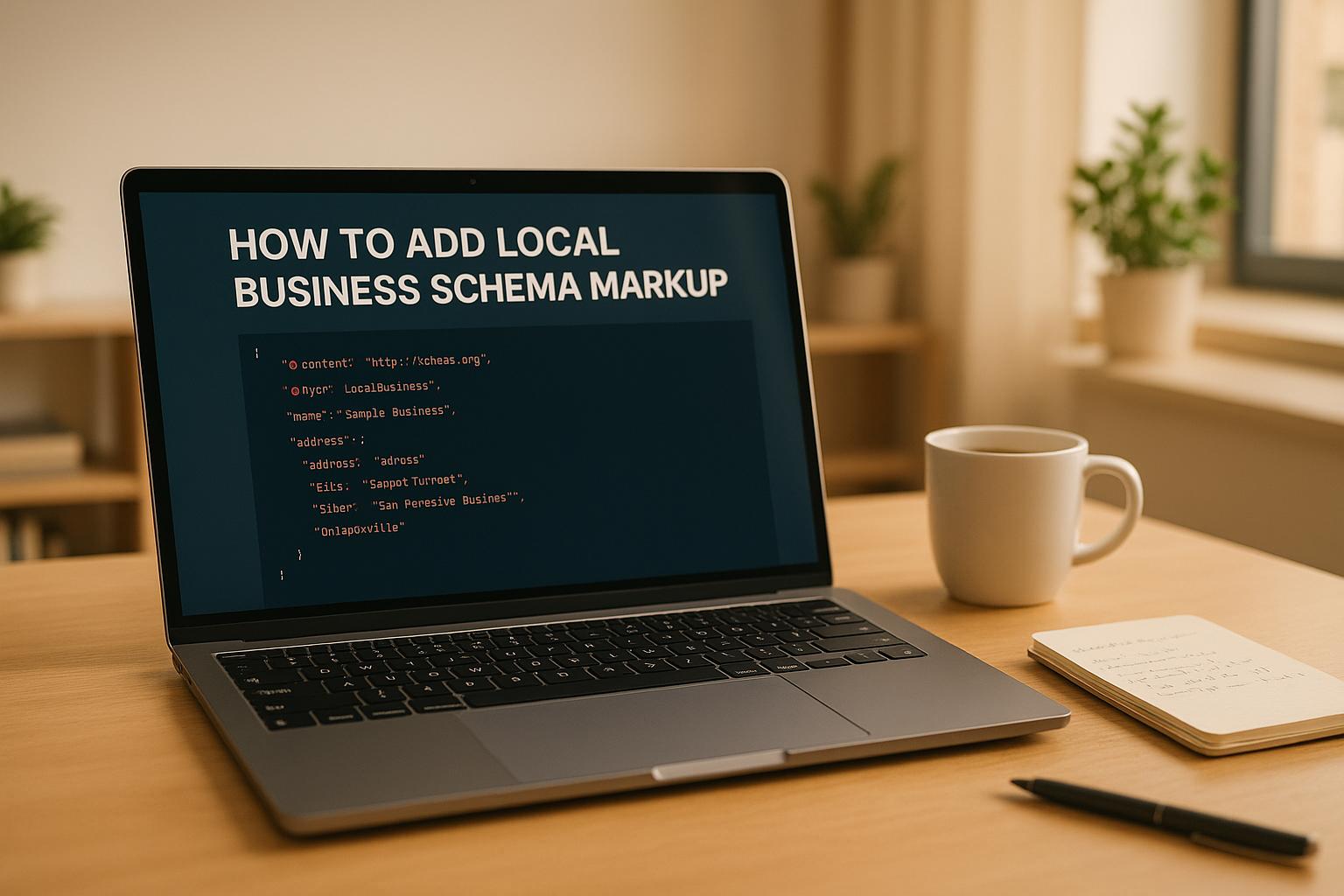
Local Business schema markup helps search engines understand and display your business information better. This structured data can boost your local SEO, improve visibility in search results, and make it easier for customers to find key details about your business....
by Lorenz Esposito | May 8, 2025 | SEO
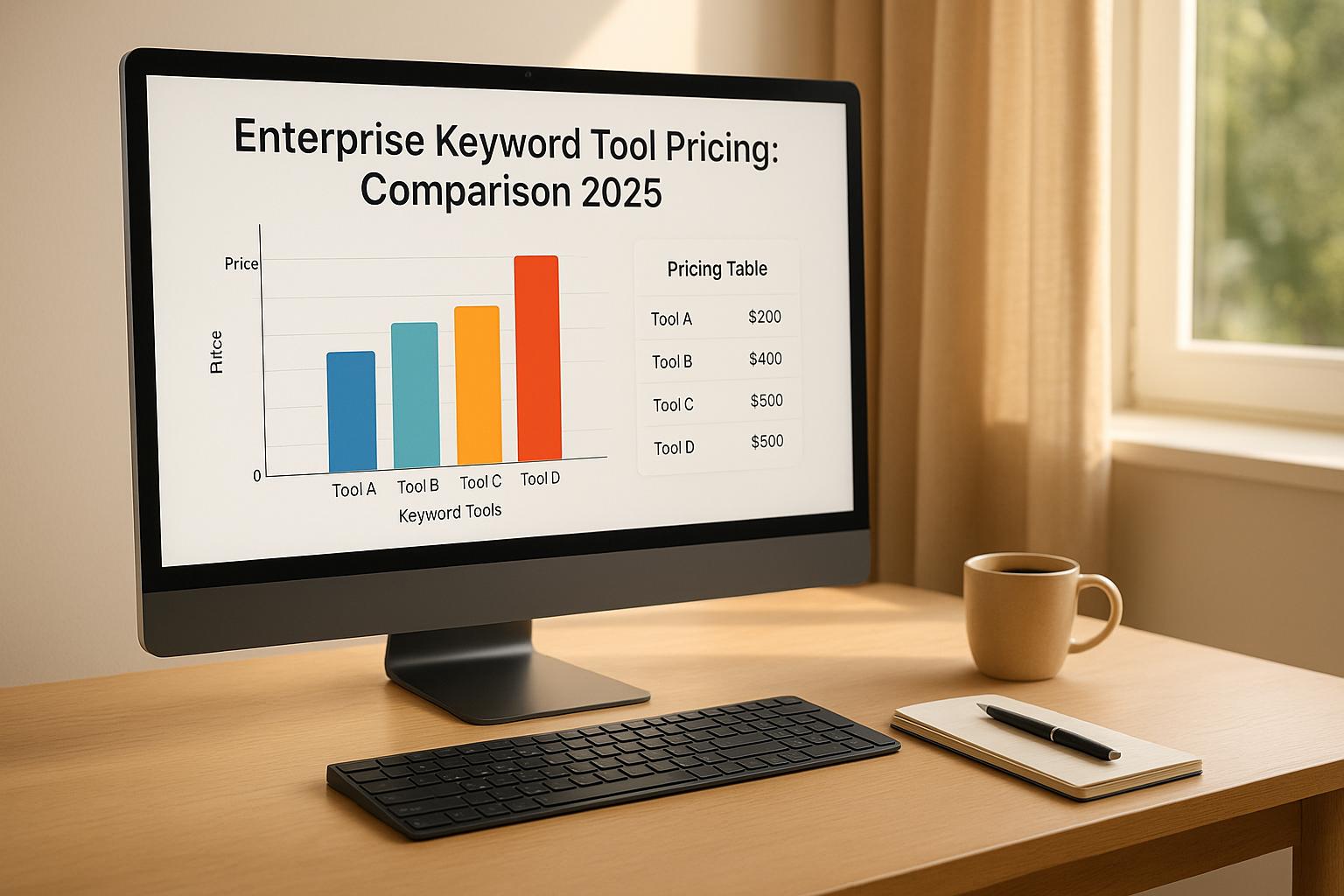
Looking for the best enterprise keyword tool in 2025? Here’s a quick breakdown of top platforms, their pricing, and features to help you decide. Ahrefs: Starts at $999/month. Best for large-scale SEO with 25,000 keyword tracking positions, 10,000 API calls/day,...

by Lorenz Esposito | May 8, 2025 | SEO
Want to stay ahead in SEO? Predictive analytics can help. By analyzing past data and trends, this approach predicts what users will search for, helping you create content that ranks higher, engages better, and converts more effectively. Here’s how it works: What it...
by Lorenz Esposito | May 7, 2025 | SEO
If your website’s pages are missing from Google search results, noindex tags might be the culprit. These tags tell search engines not to index a page, and when used incorrectly, they can harm your site’s visibility, traffic, and revenue. Here’s what you need to know:...