In today’s increasingly competitive digital landscape, ranking on Google Maps has become a critical determinant of success for local businesses. Whether you’re a law firm, a medical practice, an e-commerce retailer, or a service provider, optimizing your Google Maps presence can enhance your visibility, attract more traffic, and drive customer conversions. Chris Palmer’s insightful video dives into advanced local SEO strategies tailored to dominating Google Maps rankings in 2025. In this article, we’ll break down the key concepts, provide actionable insights, and explore how you can adapt these innovative tactics to achieve a competitive edge.
Why Local SEO for Google Maps Matters
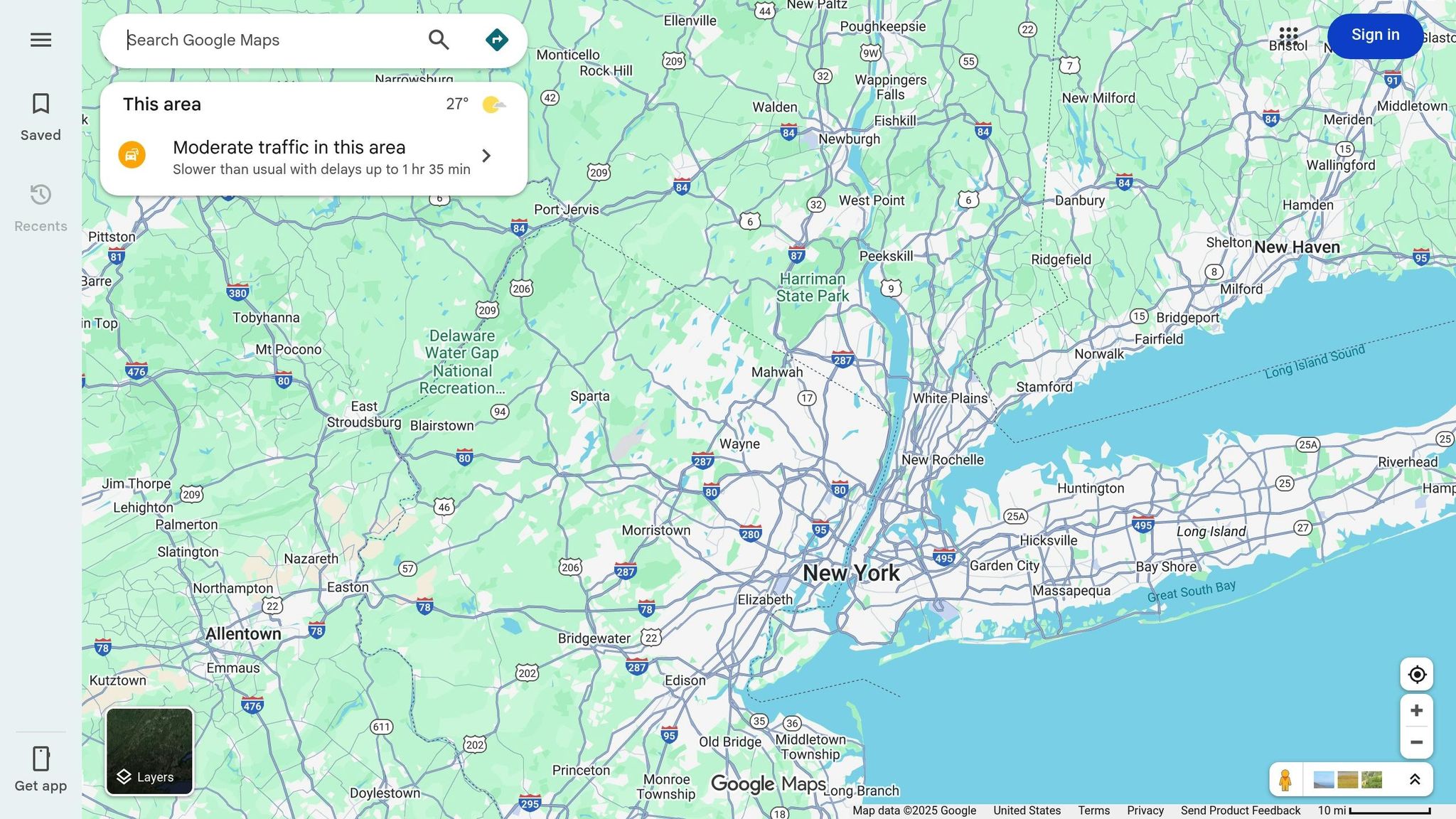
Ranking on Google Maps is no longer just about proximity and having a verified business listing. Google’s algorithm now places significant emphasis on factors such as brand prominence, user engagement, and entity relationships. For small to medium-sized businesses and startups, leveraging advanced strategies is paramount to standing out in saturated markets. This guide explores creative, cutting-edge approaches to expand your local presence and enhance your business’s visibility.
Advanced Strategies for Google Maps Success
1. Opinion Sculpting Using Social Media
What It Is:
Opinion sculpting involves shaping how your brand is perceived online by creating and distributing content that influences sentiment – positively or negatively – on various platforms. This strategy isn’t reliant on expensive digital PR campaigns. Instead, it taps into scalable and cost-effective tactics.
How It Works:
Chris suggests using platforms like SEO Clerks, Legiit, and BuzzStream to source cost-effective guest posts, listicles, and comment links. For example, publishing positive content about your business – or addressing negative sentiment – at scale can create a significant online footprint. Over time, Google begins associating your brand with these mentions, enhancing your business’s prominence.
Tip to Implement:
Curate a list of platforms where your industry is discussed. Create positive references about your brand, ensuring they highlight your services, location, and expertise. Even low-cost contributions, such as guest posts or comments, can amplify your online presence.
2. Street Viewing and Geo-Entity Reviews
What It Is:
This innovative tactic revolves around leaving reviews on streets, intersections, and nearby landmarks to create geo-entity relationships in Google Maps. By associating your business with specific locations, you provide Google with additional touchpoints to validate your presence in a particular area.
How It Works:
For example, if you’re a personal injury lawyer in Philadelphia, you could leave reviews along streets where accidents frequently occur and mention your services explicitly. This integrates your business into the geographical and contextual search results Google prioritizes.
Practical Application:
- Leave reviews for streets or local landmarks near your business.
- Include contextual details, such as services offered and proximity to specific locations.
- Use geo-tagged images with embedded metadata to strengthen the association further.
3. Scalable Automation with SIM Card Hubs and SMS Campaigns
What It Is:
SMS campaigns remain an effective tool for engaging with local audiences, but Chris introduces a cost-efficient way to execute them using SIM card hubs and cloud-based systems.
How It Works:
By using SIM card hubs or collocated cloud services, businesses can send bulk SMS messages to local audiences. These campaigns can include links to Google Business Profile (GBP) posts, offers, or events. Since every GBP share generates a dynamic URL tied to the account, these links can drive significant engagement and boost visibility when implemented at scale.
Example Message:
"Hi [Name], we noticed you missed our last offer. Check out our latest discount here: [Link to GBP post or offer]."
Tips for SMS Campaigns:
- Use dynamic URLs tied to your GBP to track clicks and engagement.
- Curate your SMS lists to target local customers or specific demographics.
4. Leveraging Ask and Answer Campaigns
What It Is:
This strategy involves engaging with the "Questions & Answers" section of Google Business Profiles to enhance your listing’s relevance and authority.
How It Works:
Instead of relying on users to populate this section organically, you can create and answer questions yourself. For example, if you’re a locksmith, use multiple accounts to ask common questions like "Do you offer 24/7 emergency services?" and provide detailed answers that highlight your expertise.
Advanced Tip:
Use multiple Google Workspace aliases to ask and answer questions on your GBP. This ensures the content appears authentic and provides maximum coverage of your services.
5. Directional Campaigns with Driving Routes
What It Is:
Directional campaigns involve creating driving routes from local landmarks, competitor locations, or other relevant points of interest to your business. This tactic signifies to Google that these areas are associated with your business, bolstering its local relevance.
How It Works:
- Use tools to simulate GPS driving routes from well-known landmarks or high-traffic areas to your location.
- Include residential locations near your business to create additional touchpoints.
6. Geo-Tagged Media and Metadata Optimization
What It Is:
This strategy focuses on embedding rich metadata into images and videos uploaded to your GBP or left in reviews.
Why It Matters:
Geo-tagged media provides Google with precise location data, further solidifying your business’s presence in a specific area.
How to Implement:
- Use image formats like HEIC (Apple) or HEVC (Android), which support extensive metadata.
- Embed details such as aperture, time, location, and schema tags directly into the file.
- Upload these images to your GBP and include them in reviews or posts.
7. KML Site Maps for Location-Based SEO
What It Is:
KML (Keyhole Markup Language) files allow businesses to create location-based site maps that highlight job sites, reviews, or other relevant points of interest.
How It Works:
By generating KML files and submitting them to Google, you provide the search engine with additional context about your business’s geographical reach.
Example Use Case:
A moving company could create a KML site map showcasing all completed jobs in specific neighborhoods. This reinforces their local authority and signals to Google their activity in the area.
Key Takeaways
- Opinion Sculpting: Use scalable methods like guest posts and comment links to shape online sentiment about your brand.
- Street Reviews: Leave geo-specific reviews to enhance your business’s local relevance.
- SMS Campaigns: Leverage dynamic URLs in bulk SMS campaigns to drive engagement with your GBP posts and offers.
- Ask and Answer: Populate your GBP’s Q&A section with common questions and detailed answers to improve visibility and authority.
- Driving Routes: Simulate driving routes from landmarks, competitors, or neighborhoods to your business to strengthen entity relationships.
- Geo-Tagged Media: Embed rich metadata into images and videos to provide Google with precise location data.
- KML Site Maps: Use location-based site maps to highlight key areas of activity and reinforce your local presence.
Conclusion
Google Maps optimization in 2025 demands a blend of creativity, technical expertise, and strategic execution. By implementing the advanced tactics outlined here, you can enhance your business’s prominence, attract more local customers, and outpace competitors. Success in local SEO is no longer about doing the basics – it’s about leveraging innovative approaches to stand out and drive measurable results.
Remember, these strategies aren’t just theoretical; they are designed to be practical and scalable, helping your business thrive in today’s digital-first environment. Now is the time to take action and implement these proven tactics in your local SEO strategy.
Source: "Local SEO in 2025: How To Rank On Google Maps" – Chris Palmer SEO, YouTube, Sep 21, 2025 – https://www.youtube.com/watch?v=81dE596FqDM