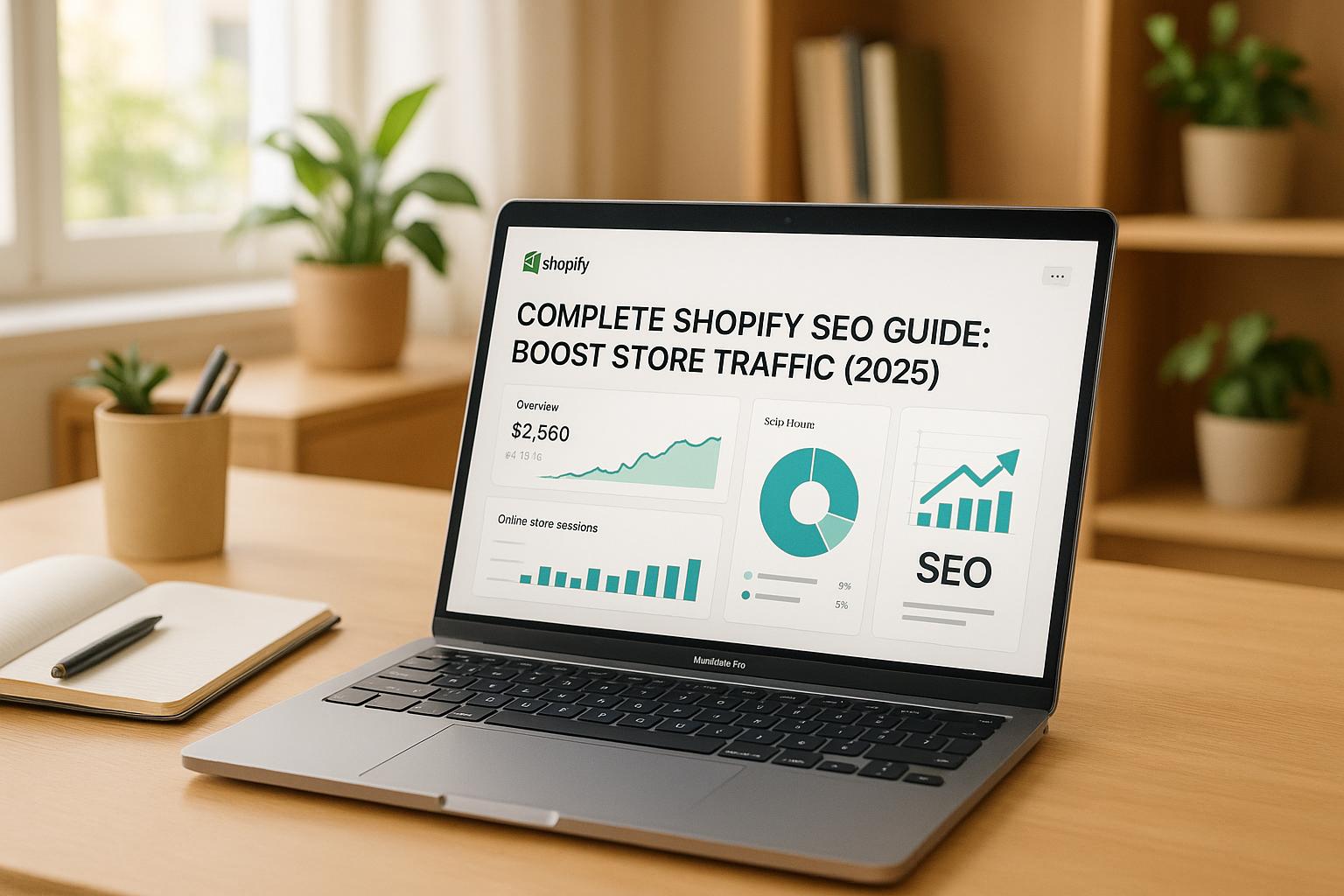
In today’s competitive e-commerce landscape, optimizing your Shopify store for search engines (SEO) is no longer optional – it’s essential. Whether you’re managing a small boutique or a large-scale Shopify Plus store, understanding and implementing a robust SEO strategy can mean the difference between average website traffic and exponential growth. This article delves into the key takeaways from an expert discussion on Shopify SEO, breaking down the technical, content, and off-site pillars you need to master for success in 2025.
Why Shopify SEO Matters More Than Ever

In the post-pandemic digital boom, businesses are facing fierce competition online, with Google and other search engines becoming key battlegrounds for visibility. SEO is more than just achieving high rankings; it’s about improving user experience, driving qualified traffic, and converting visitors into loyal customers. The SEO landscape is constantly evolving, and as search engines like Google increasingly rely on AI-driven algorithms, staying ahead of technical and strategic changes is critical for growth-focused businesses.
For Shopify merchants, SEO presents a unique set of challenges due to platform-specific limitations around site speed, app usage, and technical optimization. However, with a focused approach, these obstacles can be transformed into opportunities to outperform competitors.
The Three Pillars of SEO: A Blueprint for Optimization
To build a solid foundation for your Shopify SEO strategy, focus on the three key pillars of SEO: technical, content, and off-site optimization. Each pillar represents a crucial component for achieving long-term success in search rankings. Here’s a breakdown:
1. Technical SEO: Laying the Foundation for Success
Technical SEO ensures that your Shopify store is optimized for search crawlers, providing the foundation for content and off-site strategies. Even the best content won’t perform if your site is slow, poorly structured, or difficult to crawl.
Key Technical Areas to Address:
- Page Speed Optimization:
Shopify stores often face challenges with load times due to unoptimized themes and excessive app usage. Improve page speed by:- Removing unused apps that slow down your site.
- Replacing app functionality with custom code where possible.
- Optimizing image sizes to reduce file weight (e.g., using WEBP format).
- Implementing lazy loading for images and videos.
- Ensuring videos are hosted on a Content Delivery Network (CDN) to enable smooth streaming.
- Theme Code Optimization:
Poorly coded themes can significantly impact performance. Simplify and consolidate unnecessary files, and ensure that essential elements like headers and footers are efficiently coded. - Canonical Tags:
Avoid duplicate content issues by implementing canonical tags. Ensure all paginated pages (e.g., product or collection pages with multiple pages) point back to the primary URL to consolidate authority and rankings. - HTML Sitemap Creation:
An HTML sitemap ensures no page on your site is "orphaned" (i.e., unlinked from other pages). This improves crawlability for search engines and helps users navigate your store. - Header Tag Structure:
Proper use of header tags (H1, H2, H3) is essential for both SEO and user readability. Assign one H1 per page to denote the primary keyword, followed by H2s and H3s to organize content into logical, scannable sections.
2. Content Strategy: Engaging and Informative Content for Rankings
Content remains a cornerstone of SEO, but in 2025, search engines are increasingly prioritizing thematic, high-quality content over fragmented keyword-focused strategies. Here’s how to create effective content:
Core Content Principles:
- Focus on One Keyword per Page:
Select a primary keyword for each page and support it with related long-tail variations. Avoid creating multiple pages targeting similar terms, as search engines now prefer thematic relevance over keyword duplication. - Match Search Intent:
Understand what your audience is looking for. For example, if users search for "masonry drill bit near me", they likely want information on local availability and quick fulfillment. Align your content with user intent to drive qualified traffic. - Create Engaging Multimedia Content:
Incorporate videos, images, and infographics. Optimize these elements with appropriate alt tags, file names, and structured data to boost visibility. - Optimize Existing Pages:
Regularly update and refine content to reflect current trends and user preferences. Include FAQs, product comparisons, or expert insights to provide comprehensive value.
3. Off-Site SEO: Building Authority through Links and Mentions
Off-site SEO focuses on building your store’s authority by earning high-quality backlinks and brand mentions from reputable sources. This is often the most challenging pillar but yields significant results when done right.
Off-Site Optimization Strategies:
- Disavow Toxic Links:
Use tools like Google Search Console or AHREFs to identify harmful backlinks from spammy domains. Submit a disavow file to Google to ensure these links don’t harm your rankings. - Fix Broken Backlinks:
Links from other sites to pages that no longer exist (404 errors) are wasted opportunities. Redirect these links to relevant pages to recapture their value. - Optimize Anchor Text:
Review existing backlinks and adjust their anchor text for relevancy and clarity. For example, if a link points to your homepage, consider redirecting it to a specific collection or product page. - Earn New Backlinks:
Focus on creating high-quality content that others will want to link to, such as blog posts, case studies, or unique tools. Reach out to industry-specific sites, influencers, and partners to promote your content and earn links.
The Importance of Strategy and Data in SEO
SEO without strategy is like setting sail without a map. From keyword research to link-building efforts, every action should be data-driven to maximize efficiency and ROI. Use analytics tools to monitor progress, identify opportunities, and refine your approach. Pay close attention to metrics like domain authority, organic traffic, and keyword rankings.
Key Trends in 2025: What’s Changing?
SEO is evolving rapidly, and staying informed about industry trends is vital. Here are some 2025-specific trends to watch:
- AI is Transforming Search:
Search engines increasingly utilize AI algorithms to deliver contextual results. Ensure your content is natural, conversational, and rich in semantic relevance. - User Experience Matters:
Page speed, mobile responsiveness, and accessibility are now integral to SEO performance. A better user experience directly correlates with higher rankings. - Intent-Driven Content:
Google prioritizes content that aligns with user intent. Focus on understanding the customer journey to create content that meets specific needs.
Key Takeaways
- Prioritize Technical SEO: Fix common issues like slow page speed, orphaned pages, and poor header tag structure to create a solid foundation.
- Focus Content on Themes, Not Isolated Keywords: Center your pages around a primary keyword while naturally incorporating variations to improve thematic relevance.
- Align Content With User Intent: Research keywords thoroughly to match what users are searching for and ensure content meets their needs.
- Disavow Toxic Links: Remove harmful backlinks to improve your site’s domain authority and prevent SEO penalties.
- Redirect Broken Links: Recover lost link equity by redirecting broken backlinks to relevant pages.
- Leverage Off-Site Opportunities: Earn high-quality backlinks by collaborating with partners, suppliers, and industry publications.
- Embrace AI-Optimized Content: Structure your content to be relevant to emerging AI-driven search algorithms.
- Invest in Regular Maintenance: Continuously improve your SEO strategy by auditing your site, updating content, and tracking key metrics.
Conclusion
SEO is a marathon, not a sprint. By addressing the three pillars – technical, content, and off-site optimization – you can position your Shopify store as a leader in search rankings and drive sustainable growth. Remember, SEO success requires both consistency and adaptability. Stay informed of industry trends, refine your strategies as needed, and watch your efforts translate into higher traffic, better engagement, and increased conversions.
Source: "Shopify SEO Masterclass: Your 2025 Guide To Doing SEO on Shopify" – Winning With Shopify, YouTube, Sep 12, 2025 – https://www.youtube.com/watch?v=8Q2Fuw_qUQg