by Lorenz Esposito | Aug 1, 2025 | SEO
Structuring your content effectively is key to improving SEO performance and user experience. Here’s why and how to do it: Why It Matters: A clear structure helps search engines understand your content, improves rankings, and makes it easier for readers to find...
by Lorenz Esposito | Aug 1, 2025 | SEO
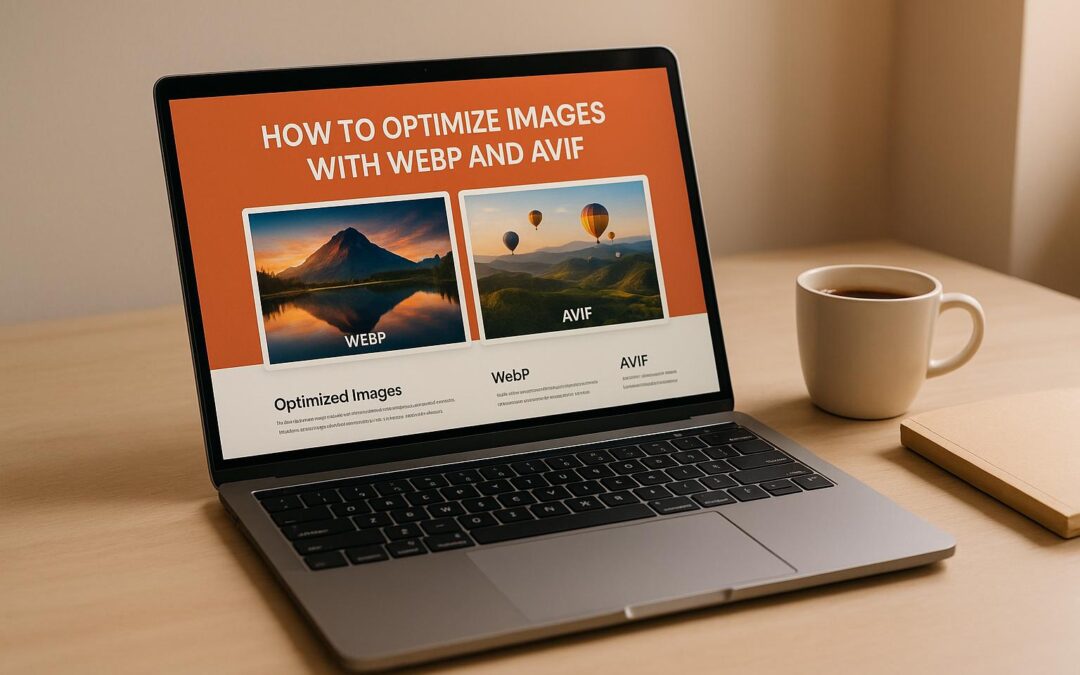
WebP and AVIF are modern image formats that drastically reduce file sizes without sacrificing quality. Here’s why they matter: WebP: Reduces image sizes by 25–34% compared to JPEG and 26% compared to PNG. It’s fast to encode/decode and supports...
by Lorenz Esposito | Aug 1, 2025 | SEO
Page speed is a critical factor for SEO success. A slow website frustrates users, reduces engagement, and negatively impacts search rankings. Google prioritizes fast-loading sites to improve user experience, and metrics like Core Web Vitals – Largest Contentful...

by Lorenz Esposito | Jul 31, 2025 | SEO
Slow-loading images hurt your website’s performance, user experience, and even your search rankings. With images making up over 60% of a webpage’s size, optimizing them can reduce load times, improve conversions, and boost SEO. Here’s what you need to know:...
by Lorenz Esposito | Jul 31, 2025 | SEO
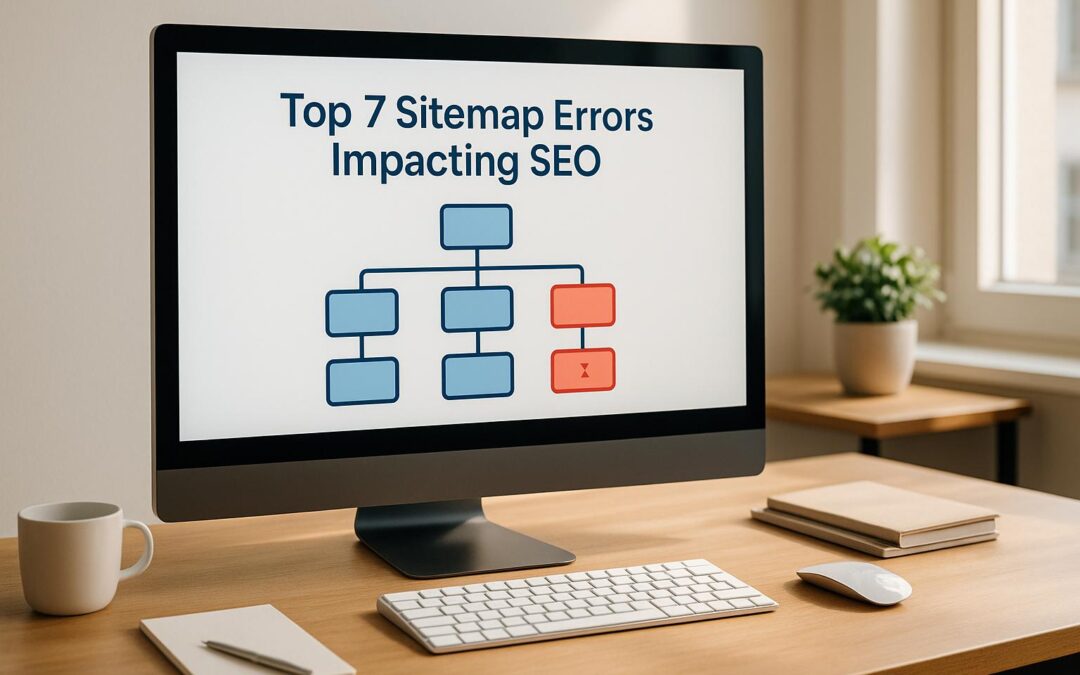
An XML sitemap is essential for search engines to navigate your site efficiently. However, common sitemap errors can harm your SEO, reducing crawlability, indexing accuracy, and organic traffic. Here’s a quick breakdown of the top issues: Missing or Wrong URLs:...