
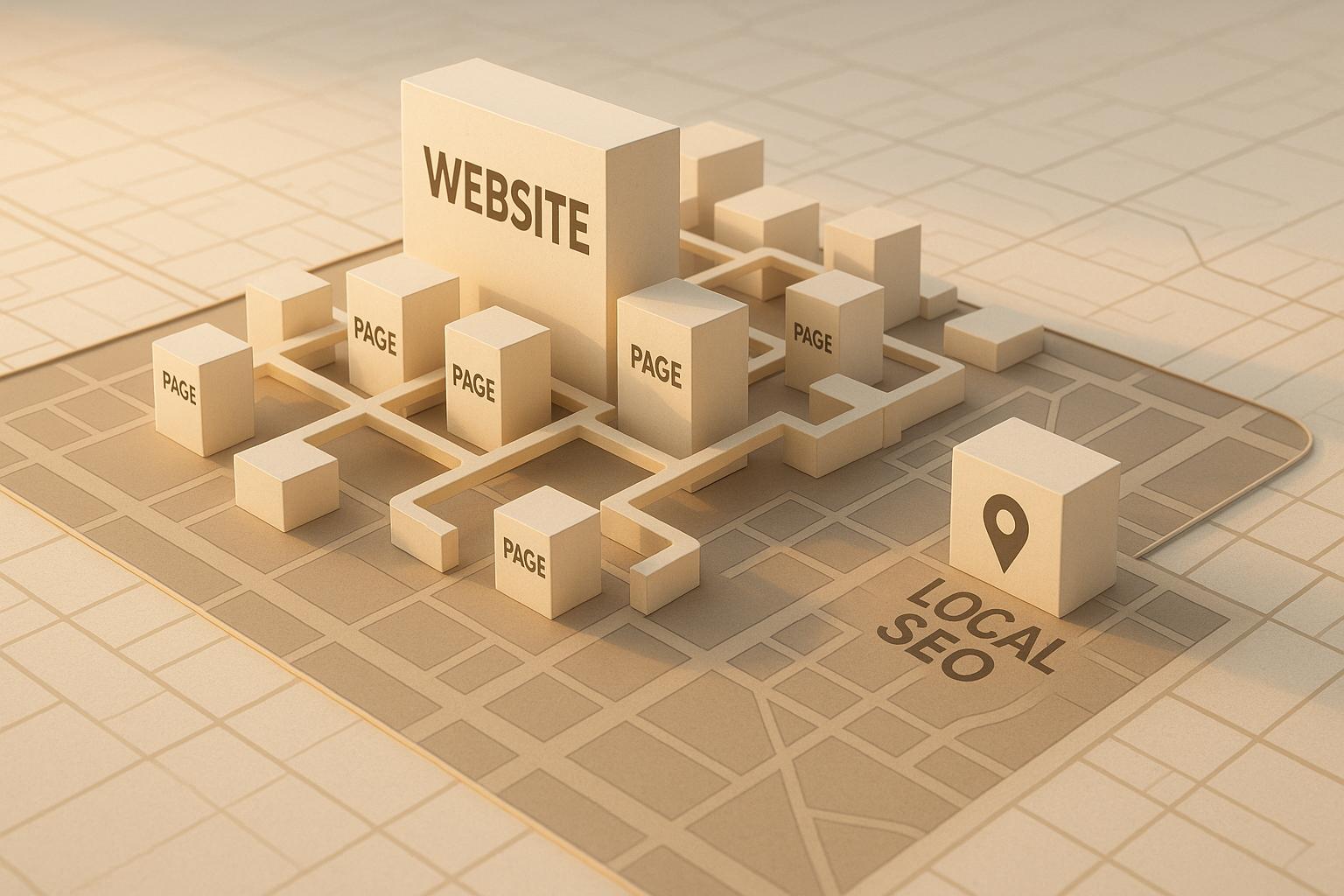
Local businesses aiming to dominate their digital landscape need to understand the power of technical SEO. It’s the backbone of your website’s ability to rank well in local search results, directly impacting visibility to potential customers in your area. While technical SEO can seem intimidating, breaking it into actionable steps ensures that your website is optimized and ready to compete. In this article, we’ll explore the essential elements of technical SEO discussed in the video, providing you with a clear roadmap to improve your local rankings.
What Is Technical SEO and Why Does It Matter?
Technical SEO encompasses the behind-the-scenes elements of your website that influence how search engines crawl, index, and rank your pages. Unlike content or backlinks, technical SEO focuses on the website’s structure, speed, and functionality. For local businesses, mastering technical SEO can mean the difference between being found by local customers or being buried by competitors.
The video emphasizes that technical SEO is not a one-size-fits-all solution. Your market size, competition level, and industry type play critical roles in determining how much effort you’ll need to invest. For highly competitive industries like law, dentistry, or e-commerce, technical SEO forms the foundation before advanced strategies like link building come into play.
Prioritizing the Core Elements of Technical SEO
When diving into technical SEO, it’s important to focus on the most impactful elements first. According to the video, these components are weighted based on their influence on your rankings. The following sections break down the key areas, offering actionable insights for each.
1. Crawlability and Indexation (25-30% Importance)
Crawlability refers to how easily search engines, like Google, can navigate and understand your site. If your site isn’t crawlable, it can’t be indexed, meaning it won’t appear in search results. Here’s how to ensure your website is optimized:
- Update Your Sitemap: Create and regularly update your XML sitemap to list all your relevant pages.
- Check Your Robots.txt File: This file instructs search engines on which pages or resources to crawl. Ensure it isn’t blocking important content.
- Fix Unindexed Pages: Identify pages that aren’t being indexed and either delete or redirect them appropriately. Be cautious – randomly deleting pages can disrupt internal links, negatively impacting your SEO.
2. Site Structure and Hierarchy (15-20% Importance)
A well-structured site enhances both Google’s understanding of your content and user experience. Use the following strategies:
- Organize with Purpose: Structure your site logically based on your top services or products. For example, a local construction company might prioritize categories like "Roofing", "Deck Building", and "Home Renovation."
- Siloing or Tree Structures: Choose a site architecture (e.g., silo or tree) that best supports your business goals. E-commerce platforms often use hierarchical categories (e.g., Men’s → Shoes → Sneakers) to streamline navigation.
- Reflect the 80/20 Rule: Focus your structure around the 20% of services driving 80% of your business. This ensures you’re prioritizing what matters most.
3. Mobile Friendliness (15-20% Importance)
With the majority of searches happening on mobile devices, having a mobile-friendly site is non-negotiable:
- Optimize for Mobile Speed: Use plugins or page builders that enhance mobile performance. For example, reduce image sizes and minimize heavy scripts.
- Tailor for Mobile Use Cases: Think about user intent. A pizza shop should make ordering seamless on mobile, while an architect might prioritize detailed portfolio displays optimized for desktop.
- Test Responsiveness: Ensure your site adapts to various screen sizes and offers a user-friendly experience on all devices.
4. Page Speed and Core Web Vitals (15-20% Importance)
Page speed directly affects your rankings and user satisfaction. If your site takes too long to load, visitors will leave, and Google will notice:
- Streamline Visual Elements: Use lightweight images, and delay loading non-critical elements like background videos until after the main content loads.
- Evaluate Hosting: If your site has grown or contains heavy elements, consider upgrading your hosting package to support faster load times.
- Use Tools: Tools like Google PageSpeed Insights can help identify and resolve speed-related issues.
5. Site Security (5-10% Importance)
A secure site builds trust with users and search engines alike:
- Switch to HTTPS: Ensure your website is encrypted with an SSL certificate. Almost all hosting providers offer this option, and it’s now a baseline requirement for ranking.
6. Structured Data and Schema Markup (5-10% Importance)
Structured data provides additional information to search engines about your site’s content, improving your chances of appearing in rich snippets and local packs:
- Use Schema.org: Leverage this resource to implement structured data relevant to your business type, such as "Local Business" or "Medical Practice."
- Expert Tip: For advanced schema work, look into experts like Terry Samuels, who offers resources and courses on this topic.
7. Duplicate Content (2-5% Importance)
Duplicate content can dilute your SEO efforts, but its impact is relatively minor compared to other factors:
- Audit Your Site: Use tools like Siteliner to identify duplicate pages. However, don’t panic if repeating industry-specific terms (e.g., "roofing" for a roofer) gets flagged as duplicate – it’s natural.
- Address Problematic Pages: Rewrite or consolidate pages flagged as genuinely duplicate.
8. Clean URL Structure (2-5% Importance)
URLs should be concise and descriptive, making it easier for users and search engines to understand your site:
- Simplify URLs: Avoid unnecessary parameters or excessive folder nesting. For example, use "yourwebsite.com/services/roofing" instead of "yourwebsite.com/category/services/roof-installation."
- Use Keywords: Incorporate relevant keywords, such as the service and city you’re targeting.
Supporting Tools for Technical SEO
Several tools can simplify the process of auditing and optimizing your site. Here are some that stand out:
- Google Search Console: Monitor crawl errors, indexation issues, and page speed for mobile and desktop versions.
- Siteliner: Identify duplicate content and broken links.
- SEO Suites: Platforms like SEMrush and Ahrefs offer comprehensive tools to improve everything from site structure to URL health.
Key Takeaways
- Prioritize Crawlability: Ensure your site is easy for search engines to navigate and index.
- Organize Your Site Effectively: Use logical structures to guide users and search engines through your content.
- Optimize for Mobile: Cater to mobile users with fast-loading, responsive designs.
- Prioritize Speed and Security: Enhance page load times and secure your site with HTTPS encryption.
- Implement Schema Markup: Leverage structured data to improve your visibility in search results.
- Audit for Duplicate Content: Identify and address duplicate content issues, but don’t overreact to minor repetitions.
- Streamline URL Structure: Keep URLs short, clean, and keyword-rich for better SEO performance.
Conclusion
Technical SEO is the foundation of a strong local search presence. By focusing on the key areas outlined above, you can improve your website’s performance, enhance user experience, and boost local rankings. While some aspects, like crawlability and page speed, carry more weight than others, addressing all these elements holistically will set your business up for long-term success in the digital space.
Begin by auditing your site for the most critical issues, gradually implementing fixes, and leveraging available tools to track progress. With patience and consistency, your local SEO strategy will yield measurable results, helping your business thrive in today’s competitive marketplace.
Source: "On Page Optimization Technical SEO Deep Dive – 238" – Local SEO Tactics, YouTube, Aug 29, 2025 – https://www.youtube.com/watch?v=LfCPMlrsbWY